
IBPS PO Cut-Off Trends
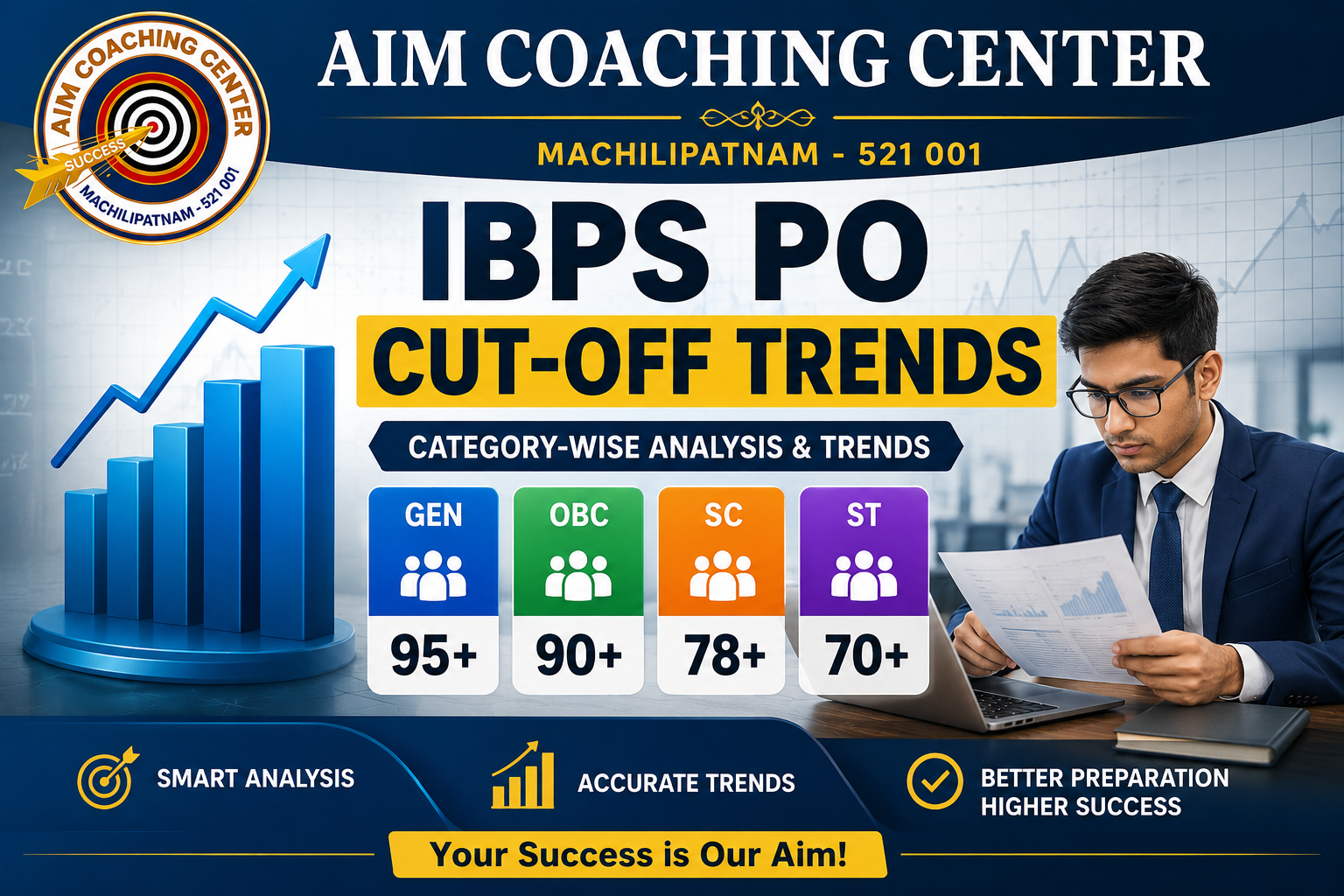 Understanding IBPS PO cut-off trends is vital for aspirants aiming to secure a coveted bank PO position through the Institute of Banking Personnel Selection (IBPS) exams. The cut-off scores are the minimum marks candidates need to qualify for subsequent rounds or to secure a job opportunity. Over the years, these cut-offs reflect shifts in exam difficulty levels, candidate performance, and changing recruitment priorities. This guide aims to provide clarity on recent trend patterns, how to analyze them, and how to strategize your preparations accordingly.
Introduction to IBPS PO Exam
The IBPS PO examination is one of the most competitive banking exams in India, designed to select probationary officers for various participating public sector banks. The exam pattern typically covers topics such as Reasoning, Quantitative Aptitude, English Language, General Awareness, and Computer Knowledge.
Understanding the cut-off trends over the years can help aspirants benchmark their performance expectations and tailor their preparation strategies to meet or exceed these benchmarks.
Analyzing Past IBPS PO Cut-Off Trends
What Are Cut-Off Scores?
Cut-off scores are the minimum marks required by candidates to qualify for the next phase of the exam or to be shortlisted for interviews and final selection. These scores differ across categories (GEN, OBC, SC, ST), states, and exam years.
Trends in Cut-Offs
Historically, IBPS PO cut-offs have shown an increasing trend, reflecting the rising competition and the heightened difficulty level of the exams. For instance, the general category cutoff has fluctuated but generally has seen a gradual upward trend, requiring candidates to improve their scores consistently.
Factors Influencing Cut-Offs
- Difficulty Level of the Exam: More challenging questions can lower cut-offs temporarily if candidates find it harder to score well.
- Number of Applicants: A higher number of candidates can push the cut-off higher due to increased competition.
- Number of Vacancies: Fewer vacancies tend to increase cut-offs, whereas more vacancies can lower them.
- Candidate Performance: Overall performance impacts the cut-off; better performance generally raises the cutoff.
How to Use Cut-Off Trends for Your Preparation
- Setting Realistic Goals
Analyzing past cut-off data helps aspirants set realistic targets for their practice sessions and mock tests. Align your preparation to aim at scores above the highest recorded cut-offs, especially in your category.
- Focus on Strengthening Weak Areas
Trends indicate which sections are tougher in certain years. For example, if reasoning cut-offs have risen significantly, dedicating more time to reasoning practice may be beneficial.
- Regular Practice and Mock Tests
Simulate exam conditions by taking regular mock tests. Review your performance based on recent cut-off trends to gauge where you stand.
Conclusion
Being aware of IBPS PO cut-off trends enables aspirants to be strategic in their preparation. While high cut-offs signify tough competition, consistent effort and targeted preparation can make a significant difference. Candidates should stay updated with official notifications and previous years' data to craft an effective plan Toward success.
Embark on your preparation journey with confidence, knowing that understanding these trends can optimize your approach and increase your chances of cracking the IBPS PO exam.
